
Introduction
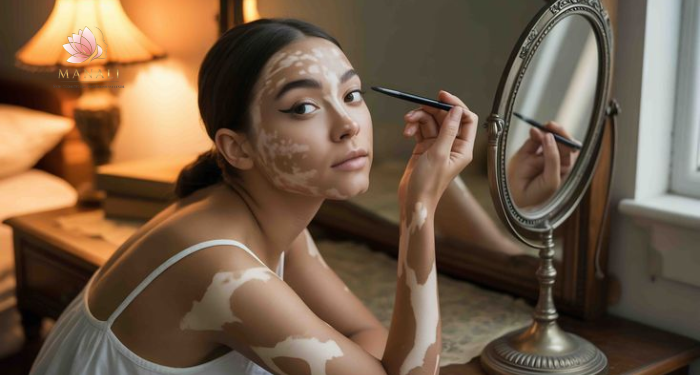
Vitiligo is a skin condition in which the skin loses its natural colour in certain areas, resulting in white or lighter patches. It occurs when melanocytes, the cells responsible for producing skin pigment, are damaged or stop functioning. Vitiligo can affect different parts of the body, including the face, hands, arms, and legs. Although it is not contagious, visible skin changes may affect a person’s confidence and emotional well-being.
With appropriate medical assessment and personalised care, people with vitiligo can explore treatment options that may help manage the condition. Consulting a qualified Cosmetologist in Kolhapur can help patients understand available skin treatment options and determine whether a referral to a dermatologist is appropriate.
What Are the Benefits of Vitiligo Treatment?
1. Helps Improve Skin Colour
One of the main goals of vitiligo treatment is to encourage repigmentation, which means restoring some colour to affected areas. Depending on the type of vitiligo, its location, and how long the patches have been present, treatments may help some areas regain pigment. However, results vary, and complete restoration of the original skin colour is not always possible.
2. May Help Prevent Further Spread
In some patients, treatment may help stabilise vitiligo and reduce the development of new patches. The response depends on the activity of the condition and the treatment prescribed. Early evaluation can help healthcare professionals assess whether the vitiligo is stable or progressing and recommend an appropriate management plan.
3. Supports Confidence and Emotional Well-Being
Visible white patches may sometimes lead to self-consciousness, anxiety, or social discomfort. For people who feel distressed by these changes, treatment may provide reassurance and help improve their confidence if the skin responds positively.
It is equally important to remember that vitiligo does not reduce a person’s worth or overall identity. Emotional support and accurate information can be valuable parts of managing the condition.
4. Provides Personalised Skin Care
Vitiligo affects people differently. The size, location, and distribution of patches can influence the treatment approach. A healthcare professional can evaluate the affected skin and discuss suitable options based on individual needs, medical history, and treatment goals.
Personalised care also helps patients understand realistic expectations, possible side effects, and the time required to assess results.
5. Helps Protect Sensitive Skin
Areas affected by vitiligo have less melanin, making them more vulnerable to sunburn. Treatment consultations provide an opportunity to discuss daily sun protection and suitable skincare practices.
Using broad-spectrum sunscreen, wearing protective clothing, and avoiding excessive sun exposure can help protect affected skin. Patients should also avoid unproven products that promise rapid or permanent removal of white patches.
What Treatment Options Are Available for Vitiligo?
Vitiligo treatment depends on the severity and progression of the condition. Options may include:
- Topical medications: Certain prescription creams may help manage inflammation or encourage repigmentation in selected patients.
- Phototherapy: Controlled ultraviolet light treatment, including narrowband UVB, may help restore pigment in some individuals.
- Targeted treatments: Certain newer prescription treatments may be suitable for specific patients, depending on age, affected areas, and clinical assessment.
- Camouflage products: Skin-coloured cosmetics may temporarily reduce the visibility of patches without treating the underlying condition.
- Surgical procedures: Selected procedures may be considered for carefully assessed patients with stable vitiligo.
Not every treatment is suitable for every patient. A dermatologist can recommend the most appropriate option after examining the skin.
When Should You Seek Professional Advice?
Consult a healthcare professional if you notice new white patches, changes in existing patches, or a rapid increase in affected areas. An assessment can help distinguish vitiligo from other conditions that may cause lighter skin patches.
A Cosmetologist in Kolhapur can guide patients regarding cosmetic skin concerns and appropriate care pathways. For diagnosis and medical management of vitiligo, consultation with a qualified dermatologist is particularly important.
Conclusion
Vitiligo treatment may help improve pigmentation, stabilise the condition in some patients, protect skin health, and support emotional well-being. Results depend on the type of vitiligo, its progression, and the treatment selected. Early assessment and consistent follow-up can help patients make informed decisions about their care.