
Hair Transplant Surgery Aftercare: Complete Guide for Better Healing and Hair Growth
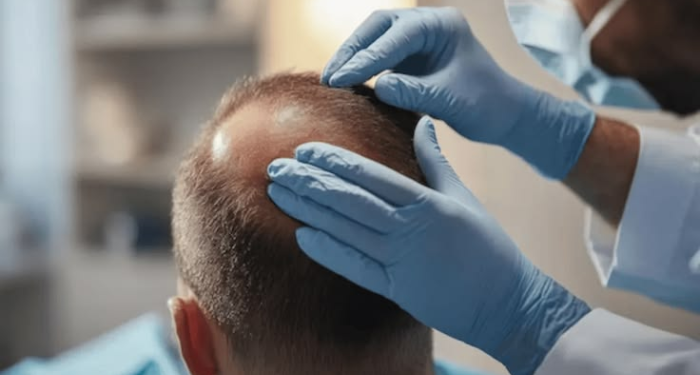
A hair transplant can be an effective option for people experiencing hair thinning, receding hairlines, or pattern hair loss. However, the success of the procedure does not depend only on the surgery itself. Proper aftercare following a hair transplant is equally important for protecting the newly transplanted grafts, supporting healing, and creating a healthy environment for future hair growth. If you are considering a Hair Transplant in Kolhapur, understanding what to do after the procedure can help you prepare for the recovery period. Your doctor will provide personalized instructions depending on the technique used, the number of grafts transplanted, your scalp condition, and your overall health. What Happens After Hair Transplant Surgery? After hair transplant surgery, the scalp may appear slightly red or swollen. Small scabs can also develop around the transplanted grafts. These changes are generally part of the normal healing process. During the initial recovery period, the transplanted follicles are delicate. Touching, scratching, rubbing, or applying pressure to the scalp may interfere with healing. This is why following the instructions provided by your hair restoration specialist is important. A professional Hair Clinic in Kolhapur can guide you through each stage of recovery and explain how to care for your scalp at home. 1. Protect the Transplanted Area The first few days after surgery are particularly important. Avoid unnecessary touching or rubbing of the transplanted area. When sleeping, follow your doctor’s instructions regarding head position. Keeping the head slightly elevated may be recommended during the early recovery period to help manage swelling. Avoid wearing tight caps, helmets, or other headwear unless your doctor has specifically advised that it is safe. 2. Follow the Recommended Washing Routine Many patients are concerned about washing their hair after transplantation. Your doctor will tell you when and how to begin washing the scalp. Generally, the scalp should be handled gently. Avoid vigorous rubbing, scratching, or using your fingernails on the transplanted area. Use only the shampoo or cleansing products recommended by your doctor. Gently applying and rinsing the product can help keep the scalp clean without unnecessarily disturbing the healing area. Do not assume that washing more frequently will make the hair grow faster. The priority during early recovery is protecting the grafts and maintaining appropriate scalp hygiene. 3. Avoid Scratching or Picking Scabs Small scabs may develop around the transplanted follicles. Although they can feel uncomfortable or itchy, avoid picking or removing them forcefully. Scratching can irritate the scalp and may interfere with the healing process. If itching becomes bothersome, speak with your doctor rather than applying an unapproved product. Your Hair Clinic in Kolhapur can provide specific instructions about managing itching, scabbing, and scalp sensitivity after the procedure. 4. Avoid Strenuous Exercise Initially Your doctor may recommend avoiding strenuous exercise for a certain period after surgery. Heavy workouts can increase sweating and may contribute to scalp irritation. Certain activities can also increase the risk of accidentally touching or injuring the scalp. Walking may be acceptable depending on your individual recovery, but always follow the activity restrictions provided by your treating doctor. 5. Protect Your Scalp From the Sun Direct and prolonged sun exposure should generally be avoided during the early healing period. The transplanted scalp may be sensitive, and excessive sunlight can cause irritation. Follow your doctor’s advice regarding when it is safe to wear a hat or use other forms of sun protection. Do not apply sunscreen directly to recently treated areas unless your doctor has advised that the product is appropriate. 6. Avoid Smoking and Alcohol as Advised Smoking can affect circulation and may interfere with normal wound healing. Alcohol may also interact with certain medications and may not be recommended during the immediate recovery period. Your doctor will advise you about when these activities can safely be resumed. Following these recommendations can support a smoother recovery after a Hair Transplant in Kolhapur. 7. Take Prescribed Medicines Correctly After the procedure, your doctor may prescribe medications depending on your individual needs. These could include medicines for discomfort, inflammation, infection prevention, or other aspects of recovery. Take medications exactly as prescribed. Do not start antibiotics, painkillers, supplements, or other treatments without discussing them with your doctor. If you experience unusual side effects or have concerns about a medication, contact your healthcare provider. 8. Maintain a Nutritious Diet Nutrition plays an important role in overall health and recovery. After hair transplant surgery, focus on a balanced diet containing adequate protein, vitamins, minerals, fruits, vegetables, whole grains, and healthy fats. Protein is important for tissue repair and normal hair structure. Nutrients such as iron, zinc, vitamin D, and other vitamins also contribute to healthy hair, although supplementation should only be taken when medically appropriate. If you have an existing nutritional deficiency, your doctor may recommend appropriate testing or supplementation. 9. Be Patient With Hair Growth One of the most important parts of hair transplant aftercare is understanding that new hair growth takes time. Some transplanted hairs may temporarily shed during the weeks following the procedure. This can be part of the normal hair growth cycle and does not necessarily mean that the transplant has failed. New hair growth generally develops gradually over the following months. The final outcome can take considerable time and varies from person to person. Avoid judging the result too early. 10. Attend Follow-Up Appointments Follow-up appointments allow your doctor to assess scalp healing and monitor hair growth. Your doctor can check the transplanted area, discuss any symptoms, and advise you about when to resume activities such as exercise, hair styling, coloring, and other scalp treatments. Regular follow-up is an important part of responsible hair restoration care. What Should You Avoid After Hair Transplant Surgery? During the early recovery period, avoid: The exact restrictions and duration can vary depending on the procedure and individual recovery. When Should You Contact Your Doctor? Some redness, swelling, mild discomfort, and scabbing may occur after surgery. However, contact your doctor if you experience symptoms that seem unusual or become increasingly severe. Seek